
 By admin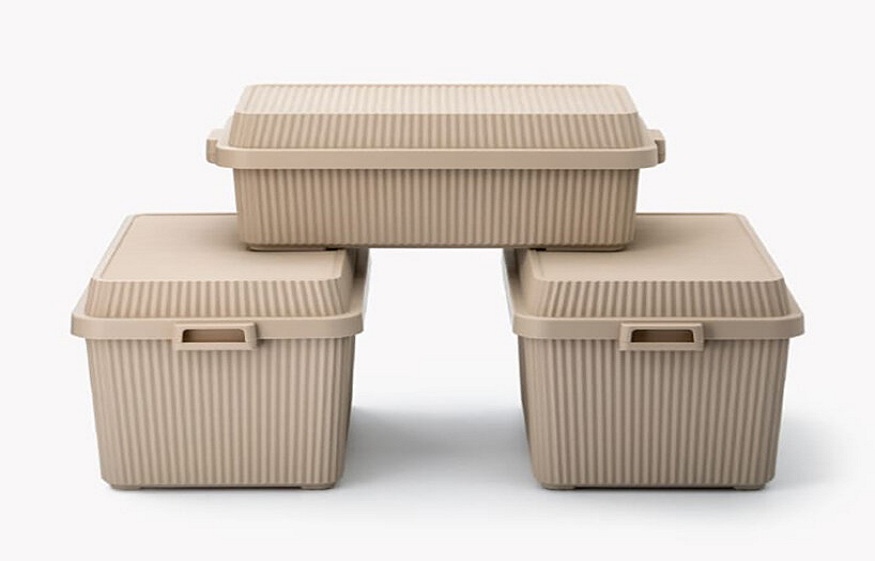
Warehousing forms the backbone of retail, logistics, and manufacturing industries. As consumer expectations shift toward faster deliveries and precise inventory management, businesses are constantly seeking practical and cost-effective ways to streamline their operations. One of the most efficient solutions available today is the use of plastic storage containers, particularly stackable storage containers, which combine durability, versatility, and space optimization.
Enhancing Storage Efficiency
Traditional storage solutions like cardboard boxes or wooden crates are prone to wear and tear and often occupy more space than necessary. In contrast, plastic storage containers are engineered for repeated use, resisting moisture, pests, and physical damage.
The real advantage comes from stackable storage containers, which allow warehouses to utilize vertical space effectively. By stacking multiple containers securely, warehouses can reduce the floor space needed for storage, creating more room for other activities, equipment, or new inventory.
Improved Inventory Management
Inventory management is critical for operational efficiency. Stackable storage containers simplify this process by allowing items to be sorted, labelled, and stacked in a systematic manner. Workers no longer waste valuable time searching for products, which speeds up picking, packing, and shipping operations.
Many plastic containers feature transparent sides or lids, making it easy to identify contents at a glance. This reduces errors in order fulfilment and ensures that inventory is rotated properly, especially in warehouses handling perishable or seasonal goods. Efficient labelling combined with stackable designs ensures that even densely packed storage areas remain organized and accessible.
Durability and Protection of Goods
Warehouses often handle heavy loads and frequently move products between different locations. Plastic storage containers provide a superior level of protection compared to cardboard alternatives. They resist crushing, moisture, and pest infestations, keeping goods safe throughout storage and transport.
Stackable storage containers are specifically designed with interlocking features that stabilize stacks, preventing accidental collapses. This design consideration is crucial in large warehouses where safety and prevention of product damage are top priorities. Workers can stack containers several layers high without compromising stability, which ensures both staff safety and product integrity.
Cost Savings for Businesses
While the initial investment in plastic storage containers may be higher than disposable cardboard boxes, the long-term benefits far outweigh the costs. Their durability allows for repeated use, reducing the need for frequent replacements. Additionally, the reduced risk of product damage translates into fewer losses and lower operational costs.
Stackable containers also contribute to operational efficiency. By maximizing space and simplifying inventory management, businesses can reduce labour time, accelerate workflows, and maintain a more organized warehouseall of which add up to significant cost savings over time.
Sustainability in Warehousing
Sustainability is becoming a key consideration for modern businesses. Many plastic storage containers are now made from recyclable materials and are designed for repeated reuse. Compared to single-use packaging solutions, stackable storage containers minimize waste, align with eco-friendly practices, and contribute to greener supply chain operations.
Adopting reusable plastic containers also demonstrates a company’s commitment to environmental responsibility, which can enhance brand reputation, particularly for businesses that prioritize sustainability in their operations and marketing strategies.
Conclusion
In today’s fast-paced warehousing environment, efficiency, safety, and sustainability are more important than ever. Plastic storage containers and stackable storage containers address all three by providing durable, organized, and cost-effective storage solutions. They help warehouses maximize vertical space, protect inventory, streamline operations, and support eco-friendly practices.
For businesses looking to optimize storage, reduce product damage, and maintain operational efficiency, investing in high-quality stackable storage containers is not optionalit’s essential. By integrating these solutions into modern warehouses, companies can achieve a safer, more organized, and highly efficient environment that supports growth and profitability.